I. Definitions of Self-tapping Head Screws and Self-tapping Head Countersunk Screws
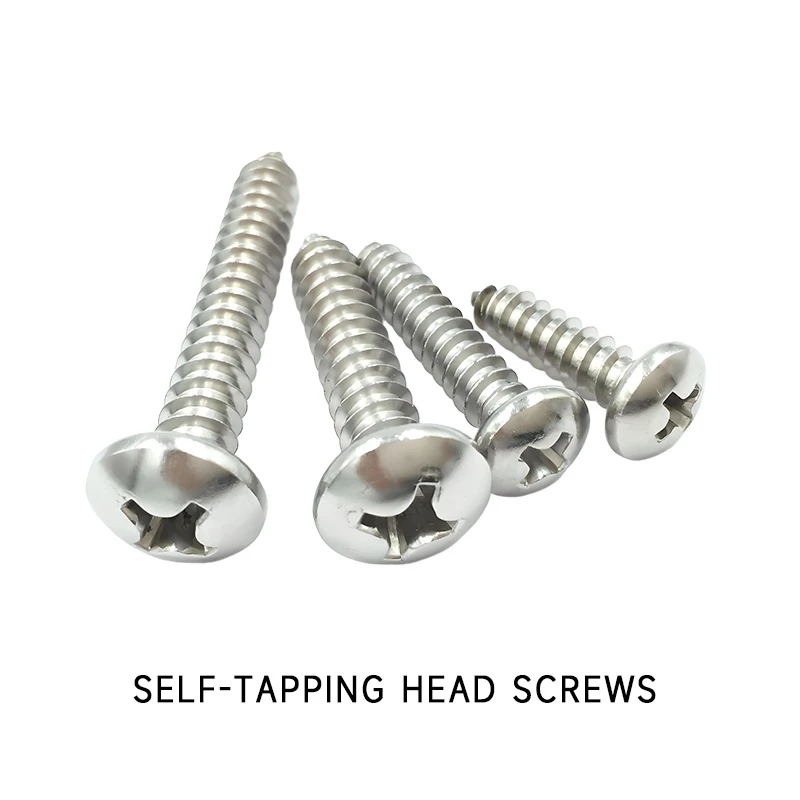
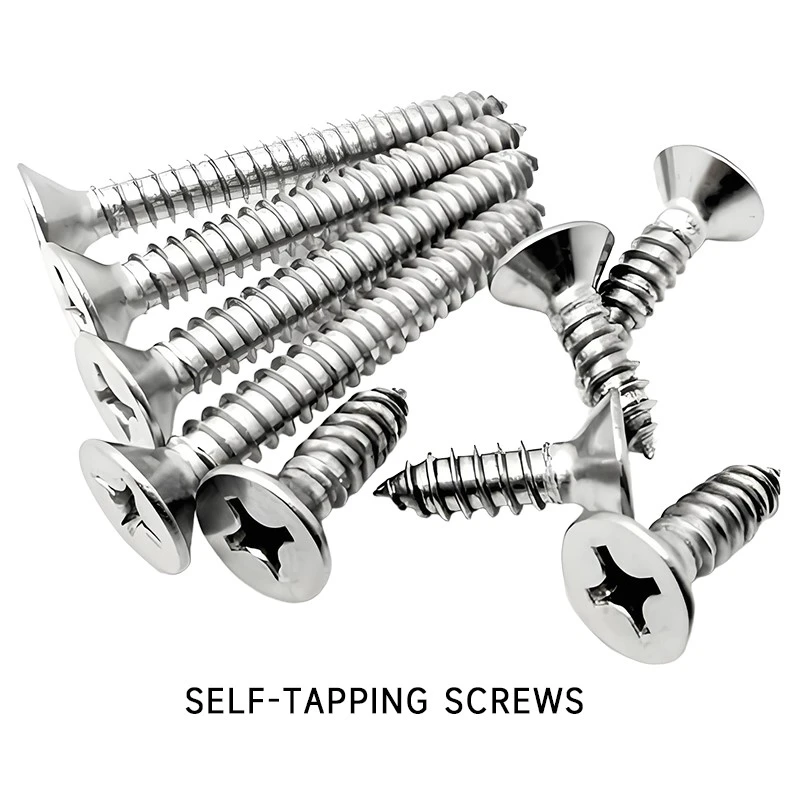
Self-tapping screws and countersunk self-tapping screws are both types of self-tapping fasteners. Self-tapping fasteners are fasteners with a shank that can penetrate a part and self-tap into the interior of another part. They form a very tight bond with the wood by squeezing the wood fibers during the screwing process through their own unique thread structure. The main difference between self-tapping screws with round heads and those with countersunk heads lies in the shape of the head and their uses.
II. The Difference Between Self-tapping Head Screws and Counterbore Self-tapping Head Screws
1.Different head shapes
The head of a countersunk self-tapping screw is raised and shaped like a plate, sometimes called a horseshoe-shaped head. The head of a blind self-tapping screw is embedded into the surface of the wood, and its shape is approximately circular with a smooth surface.
2. Different purposes
Self-drilling head screws are mainly used for fixing thin sheet materials. Because their heads rise up, they can prevent the thin sheet from moving, and the heads can pass through the sheet clearly. At the same time, it is convenient to form a good supporting effect on the side of the wood when shooting round screws into the wood with self-drilling head screws. Self-drilling countersunk screws are suitable for fixing wood with flat surfaces and strict requirements for aesthetics. Because when shooting round screws into the wood, using the exposed part of the self-drilling countersunk screws can better ensure the flatness of the wood surface.