

In the realm of construction and building, the choice of the right anchor is crucial, especially when working with stone walls. As a trusted 4PCS Shield Anchor supplier, I often encounter inquiries about the suitability of our product for stone walls. In this blog post, I aim to delve into the technical aspects, advantages, and considerations of using 4PCS Shield Anchors in stone walls.
Understanding Stone Walls
Stone walls are a popular choice in construction due to their durability, aesthetic appeal, and natural strength. However, they present unique challenges when it comes to anchoring. Stone is a heterogeneous material, with varying densities, porosities, and textures. Different types of stone, such as granite, limestone, and sandstone, have different mechanical properties. For instance, granite is extremely hard and dense, while limestone is relatively softer and more porous. These differences affect how an anchor interacts with the stone.
Technical Characteristics of 4PCS Shield Anchors
4PCS Shield Anchors are designed with specific features that make them a potential candidate for use in stone walls. They typically consist of a shield and a fastener, which work together to provide a secure hold. The shield helps to distribute the load evenly over a larger area, reducing the risk of the anchor pulling out of the stone. This is particularly important in stone, as concentrated loads can cause the stone to crack or break.
The fastener part of the anchor is engineered to grip the stone firmly. Depending on the design, it may have threads or a friction - based mechanism that digs into the stone. This provides the necessary resistance against shear and tensile forces. For example, in a lateral load situation, such as in a retaining wall, the anchor needs to withstand the forces trying to push it horizontally.
Advantages of Using 4PCS Shield Anchors in Stone Walls
- Load - distribution: As mentioned earlier, the shield in 4PCS Shield Anchors distributes the load over a larger surface area. This is beneficial for stone walls, as it prevents local stress concentrations that could lead to stone failure. In contrast, some traditional anchors may create high - stress points, which are more likely to cause damage to the stone.
- Flexibility: These anchors can be used in a variety of stone types. While the installation process may need to be adjusted slightly based on the stone's properties, the overall design of the 4PCS Shield Anchor is adaptable. For example, for softer stones like sandstone, a slightly different installation torque may be required compared to harder granite.
- Corrosion resistance: Many 4PCS Shield Anchors are made from materials that offer good corrosion resistance. In outdoor stone wall applications, where the anchor is exposed to the elements, this is a significant advantage. Corrosion can weaken the anchor over time, reducing its holding capacity.
Considerations for Using 4PCS Shield Anchors in Stone Walls
- Stone preparation: Before installing the 4PCS Shield Anchor, proper hole drilling is essential. The hole diameter, depth, and cleanliness all affect the anchor's performance. For example, if the hole is too large, the anchor may not grip the stone tightly enough. On the other hand, if the hole is not drilled deep enough, the anchor may not have sufficient embedment to resist the applied loads.
- Weight capacity: It's important to determine the appropriate weight capacity of the 4PCS Shield Anchor for the specific application. This depends on factors such as the size of the stone wall section, the type of load (static or dynamic), and the number of anchors used. For heavy - duty applications, additional anchors or a larger - sized 4PCS Shield Anchor may be required.
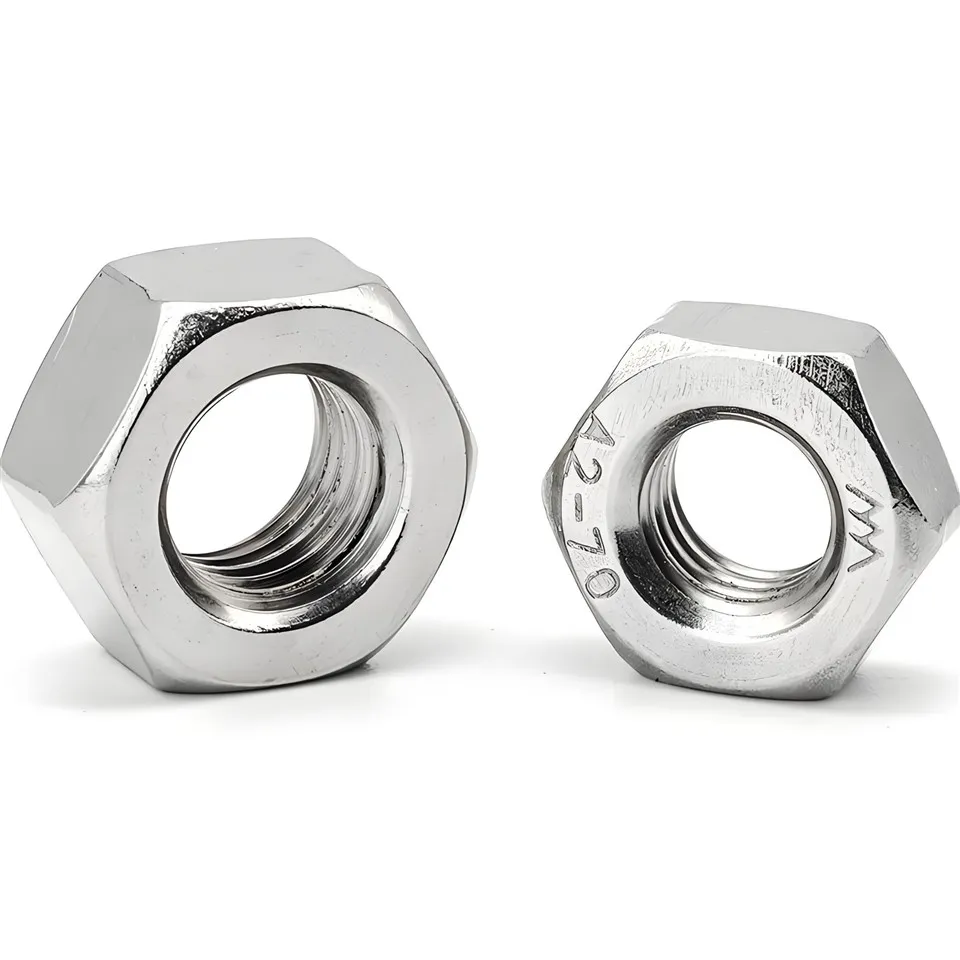
- Compatibility with other components: Sometimes, 4PCS Shield Anchors may need to be used in conjunction with other components such as 3PCS - Fix - bolt or DIN 934 HEX NUT. Ensuring compatibility between these components is crucial for the overall stability of the installation.
Comparison with Other Anchoring Options
There are other types of anchors available in the market, such as chemical anchors and expansion anchors. Chemical anchors rely on a chemical adhesive to bond the anchor to the stone. While they can provide a strong hold, they may require more time for the adhesive to cure, and they can be affected by environmental conditions such as temperature and humidity.
Expansion anchors work by expanding against the walls of the drilled hole. However, in some cases, the expansion force can cause cracks in the stone, especially in brittle stones. In comparison, 4PCS Shield Anchors offer a more controlled and even distribution of force, reducing the risk of stone damage.
Case Studies and Real - World Applications
There have been numerous successful installations of 4PCS Shield Anchors in stone walls. For example, in a historical building restoration project, where the integrity of the stone walls needed to be preserved, 4PCS Shield Anchors were used to attach metal brackets for support structures. The even load - distribution of the anchors ensured that the stone walls remained intact, while providing the necessary strength for the added structures.
In another instance, in a modern coastal construction project, 4PCS Shield Anchors were used to secure Reliable Metal Frame Anchors to the stone seawall. The corrosion - resistant properties of the anchors were essential in this harsh environment, as they were constantly exposed to saltwater and high winds.
Installation Guide
Here is a general installation guide for using 4PCS Shield Anchors in stone walls:
- Mark the location: Determine the exact location where the anchor will be installed. Use a level and a measuring tape to ensure accuracy.
- Drill the hole: Use a suitable drill bit to create a hole in the stone. Refer to the manufacturer's specifications for the correct hole diameter and depth.
- Clean the hole: Remove any dust or debris from the hole using a brush or compressed air. This ensures a better grip between the anchor and the stone.
- Insert the anchor: Place the 4PCS Shield Anchor into the hole. Make sure it is fully seated.
- Fasten the component: Attach the component, such as a bracket or a frame, to the anchor using the appropriate fastener. Tighten the fastener to the recommended torque.
Conclusion
In conclusion, 4PCS Shield Anchors can be a viable option for use in stone walls. Their load - distribution capabilities, flexibility, and corrosion resistance make them suitable for a wide range of applications. However, proper installation and consideration of the stone's properties are essential for optimal performance.
If you are involved in a project that requires anchoring in stone walls, I encourage you to consider our 4PCS Shield Anchors. We are committed to providing high - quality products and technical support. Whether you have questions about the product or need assistance with installation, we are here to help. Contact us for a detailed discussion about your requirements and a personalized solution for your project.

References
- Construction Materials Handbook, 5th Edition
- Stone Masonry Design and Construction Guidelines, American Society of Civil Engineers
- Anchor Product Manuals, Manufacturer's Publications